Against the backdrop of the global green and low-carbon transition, electrocatalytic synthesis technology, which utilizes renewable electricity to drive chemical reactions, offers a highly promising pathway for the direct synthesis of chemicals under mild conditions. The journal Science & Technology Review invited Wang Xinzhi, Li Cunpu, and Wei Zidong from Chongqing University to contribute an article reviewing the significant advances in the field of electrocatalytic synthesis. The article highlights that the coordinated development of electrocatalytic synthesis technologies provides solid support for achieving the "dual carbon" goals and offers valuable references for future research directions in electrocatalytic synthesis.
Driven by the dual imperatives of the "dual carbon" goals and the global energy transition, the chemical industry urgently needs to break its dependence on fossil feedstocks and energy-intensive processes and move toward low-carbon production. Electrocatalytic synthesis technology, which harnesses renewable electricity to drive chemical reactions, enables the direct conversion of reactant molecules under ambient temperature and pressure. It offers both atom-economy advantages and significant potential for carbon emission reduction, and is regarded as a promising pathway for jointly addressing the challenges of energy conversion and green chemical manufacturing.
As research in this field gradually shifts from localized catalyst optimization toward overall system construction, academic attention is increasingly focused on systematic issues such as interfacial dynamic behavior under realistic reaction conditions, microenvironment regulation, and electrolyzer engineering, with active efforts to advance electrosynthesis toward integration and practical application. Through synergistic breakthroughs in fundamental research and engineering innovation, electrocatalytic synthesis technology is expected to reshape the underlying logic of the chemical industry, providing decisive support for the establishment of a green, low-carbon, and sustainable material manufacturing system.
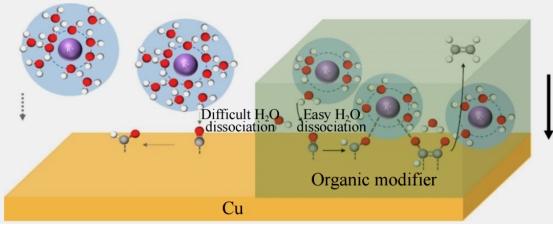
Diagram: Electricity-Driven Chemical Reactions